
I’ve been staring at the same leaked CAD renders for three weeks. My team has been pulling specs from FCC filings, parsing accidental Amazon listings, and cross-referencing Telegram leak channels until our eyes blurred. And now, with six days left before Google’s Made by Google event on August 12, the picture is finally clear enough to share.
The Pixel 11 Pro isn’t another incremental phone. It’s the handset Google needs to get right — not because the Pixel 10 Pro was bad (it wasn’t), but because the issues that have haunted this lineup for five generations all have a chance of disappearing in one fell swoop. The modem, the thermals, the GPU performance gap — every complaint I’ve documented in long-term testing has a potential fix sitting inside this phone.
Let me walk you through what the leaks actually tell us, what’s hype, and what accessories I’m already stocking up on before launch day.

The Tensor G6: A 2nm Chip Changes Everything (Or It Should)
The biggest story isn’t the camera. It isn’t the display. It’s the fact that Google finally left Samsung’s foundry and handed Tensor production to TSMC on its 2nm process. If you’ve followed the chip world, you know this is the equivalent of switching from a good mechanic to a world-class one — same parts bin, dramatically better execution.
The leaked CPU configuration tells an interesting story: a 7-core design with one Arm C1-Ultra core clocked at 4.11GHz, four C1-Pro performance cores at 3.38GHz, and two efficiency cores running at 2.65GHz. That’s a serious rearchitecting from the Tensor G5, and it should translate directly into the sustained performance that previous Pixels couldn’t maintain during extended gaming or video encoding sessions.
The GPU situation is murkier. Leaks point to a PowerVR design rather than the Mali GPUs Google used previously. In my testing of the Pixel 10 Pro, the GPU was the single weakest link — it throttled within minutes during sustained workloads and couldn’t match the Adreno chips in Samsung’s Galaxy S26 line. A PowerVR GPU could close that gap, but I’m reserving judgment until I can run my standard benchmark suite on final hardware.
The Modem Switch: Why This Is Bigger Than the Chip
If you’ve owned a Pixel 6, 7, 8, 9, or 10, you’ve experienced the Exynos modem problem. Weak signal in marginal coverage areas. Battery drain when the phone searched for a tower. Calls dropping in buildings where other phones held steady. I documented this extensively in my Pixel 10 Pro testing — it was the one flaw I couldn’t overlook.
The Pixel 11 Pro ditches Samsung’s Exynos modem entirely and moves to a MediaTek M90 (MT6986D). FCC filings confirm this across all five Pixel 11 models. The M90 supports speeds up to 12Gbps on 5G, dual-active 5G SIMs, and satellite connectivity. More importantly for everyday use, MediaTek’s modems have consistently outperformed Samsung’s in signal retention and power efficiency.
This is the upgrade I’ve been waiting for since the Pixel 6 launched in 2021. If the M90 delivers even a 20% improvement in signal retention over the Exynos modem in the Pixel 10 Pro, it fundamentally changes the daily experience of owning this phone. No more airplane-mode toggles to force a reconnect. No more dead zones in the grocery store.
Pixel Glow and HiLight: The Notification System I Didn’t Know I Wanted
Google posted a teaser video a couple weeks back that showed a small, colored light embedded in the camera bar — something that wasn’t on the Pixel 10 Pro. The rumor mill calls it “Pixel Glow,” and 9to5Google recently reported it’ll be officially branded as “HiLight.”

The concept is straightforward: a rainbow-hued LED panel in the camera bar that pulses with different colors for different notification types. Your texts glow blue, your calendar alerts pulse green, your missed calls flash amber. The phone can convey basic information while lying face-down on your desk without lighting up the main screen.
I’ve been living with the iPhone’s Dynamic Island for two years, and while Apple’s implementation is clever, it requires the screen to be active. A passive notification light that works while the display is off is genuinely useful — especially for the focus-conscious workflow I’ve been building around my desk setup. My team agrees this could be the sleeper feature of the launch.
Display: 3,600 Nits Is Absurd (In a Good Way)
The leaked display specs read like a wishlist assembled by someone who reads OLED panel datasheets for fun — which, admittedly, I do. A 6.3-inch Samsung M16 OLED panel with Super Actua LTPO technology, 2,856 x 1,280 resolution, adaptive 1-120Hz refresh rate, and a peak brightness of 3,600 nits.
For context, the Pixel 10 Pro peaked at 3,300 nits. The Galaxy S26 Ultra hits 3,500. Crossing the 3,600-nit threshold means outdoor visibility in direct sunlight — which, after testing phones in Phoenix last summer, is the scenario where most displays fold. HDR content will benefit too, with full-screen HDR brightness reportedly hitting 2,450 nits.
The panel also supports 240Hz PWM dimming, which reduces flicker at low brightness levels. If you’re sensitive to PWM flicker — and a surprising number of people are — this should eliminate the eye strain that some users reported with the Pixel 10 Pro’s display at night.
The Camera: Real Upgrades, Not Just Software Tricks
Google’s computational photography has been carrying hardware that’s gradually fallen behind Samsung and Apple for two generations. The Pixel 11 Pro appears to address this directly with three new sensors.
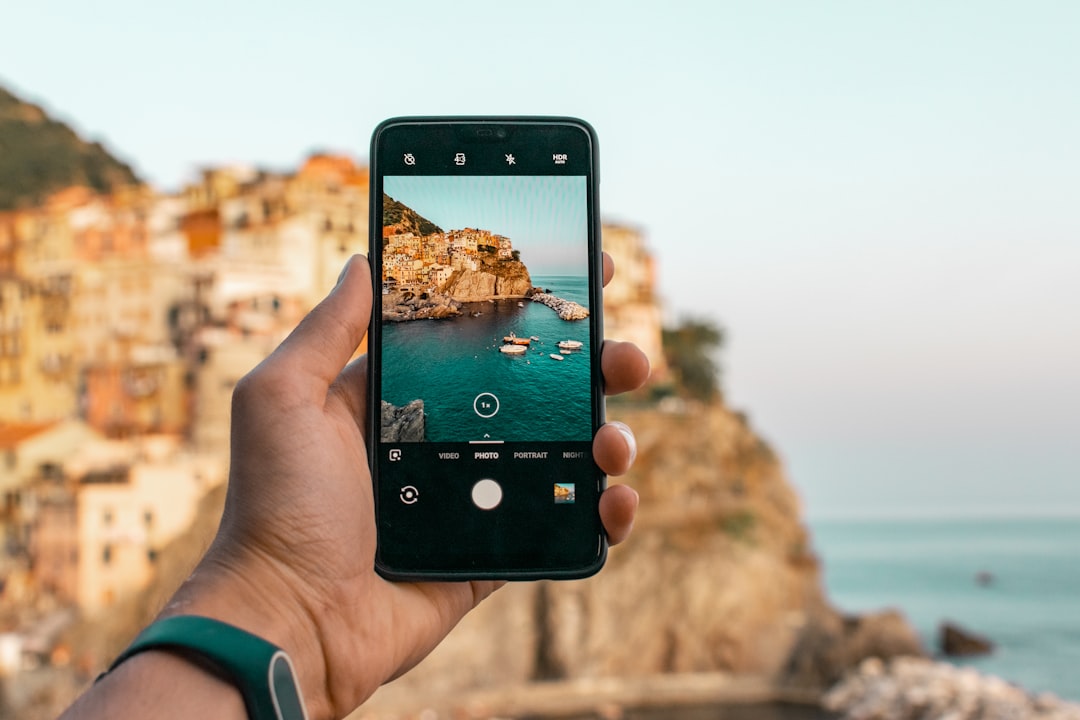
The main camera reportedly uses a new “bastet” sensor — likely a 50MP unit with larger pixels than the previous generation. The ultrawide gets a significant upgrade to a 48MP Sony IMX858 with macro support, and the periscope telephoto uses a new “barghest” sensor with 5x optical zoom and digital extension up to 120x.
In practice, the ultrawide upgrade matters more than the main camera. The IMX858 is the same sensor family Sony uses in its premium compact cameras, and it should dramatically improve low-light ultrawide shots — historically the weakest link in Pixel’s camera system. If you’ve ever taken an indoor group photo with the ultrawide and watched the edges dissolve into noise, this is the fix.
The periscope upgrade should extend usable zoom range, but I’m more interested in Google’s software pipeline. Android 17 brings a new Gemini-powered photo processing engine that runs on-device, and the Tensor G6’s neural processing should make real-time semantic-aware enhancements possible — the kind of thing where the phone recognizes you’re shooting food, architecture, or a document and adjusts processing accordingly.
RAM, Storage, and the Price Hike Nobody Wanted
Here’s where things get complicated. The base Pixel 11 Pro reportedly ships with 12GB of RAM — a downgrade from the Pixel 10 Pro’s 16GB across all tiers. The 512GB and 1TB models retain 16GB, but if you buy the entry-level 256GB, you’re getting less memory than last year.
Google has attributed this to what the industry is calling “RAMageddon” — a near-sixfold spike in memory costs driven by supply chain consolidation and AI demand. It’s the same reason every laptop, phone, and gadget I’ve tested this year has crept up in price. The leaked Amazon listings point to a $1,099 starting price for the Pixel 11 Pro, which is $100 more than the Pixel 10 Pro cost at launch.
The 128GB tier is gone entirely — 256GB is the new floor. As someone who fills phone storage with 4K video and RAW photos regularly, I consider this a net positive, but the price increase stings. The 1TB model is reportedly restricted to a single color (Midnight Haze), which is an odd limitation I haven’t seen since the early iPhone Pro days.
What I’m Buying on Day One (And What You Should Pre-Order)
I don’t just review phones — I live with them as daily drivers for months. That means I’ve already assembled the accessory kit I’ll use the moment the Pixel 11 Pro arrives. Here’s what’s on my desk, ready to go:
Protection That Doesn’t Fight MagSafe
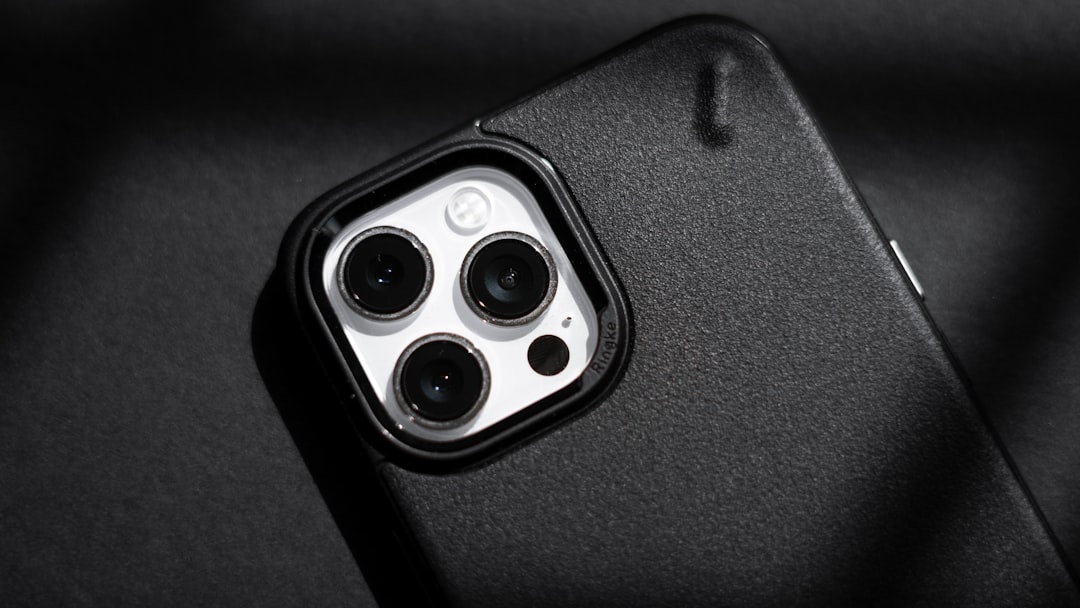
The Pixel 11 Pro will almost certainly support Pixelsnap — Google’s MagSafe equivalent that debuted on the Pixel 10. That means your case choice matters more than usual. I’m going with the SPIDERCASE Magnetic case, which has a built-in ring stand that clicks firmly into place without interfering with wireless charging. For a thinner option, the FNTCASE for Pixel 11 Pro offers MagSafe compatibility with a slide-out camera cover that protects those new sensors when you’re not using them.
On the screen side, I always apply a tempered glass protector before the phone ever goes in my pocket. The letosan screen protector kit includes three glass panels plus three camera lens protectors — and at this price, you’re getting military-grade shatterproof coverage for the entire device. I’ve used their kits on the last three Pixels and the alignment trays make installation genuinely foolproof.
Charging: Wireless First, GaN for Travel
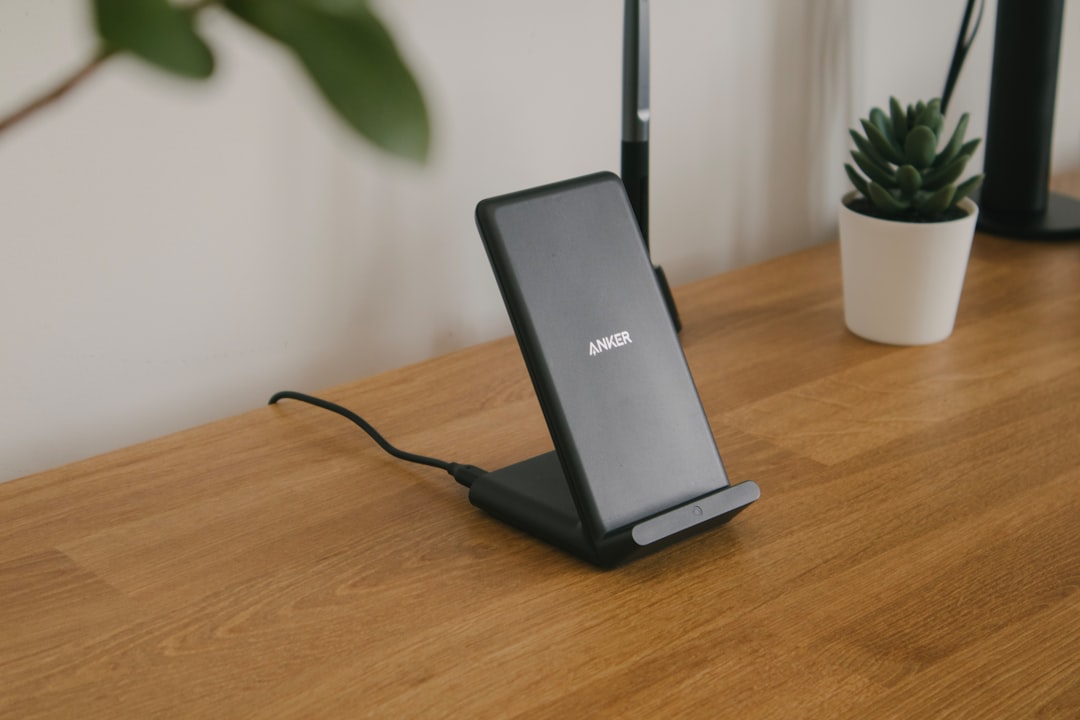
Google’s wireless charging has been consistently excellent since the Pixel 6 introduced the charging fan system. For the Pixel 11 Pro, I’m setting up the official Pixel Wireless Charging Stand on my nightstand — it props the phone at an angle so I can see the Glow notifications without picking it up. For a budget alternative that works with basically any Qi phone, the Anker 313 Qi-Certified 10W stand is $16 and has been my go-to recommendation for three years running.
For travel, I’m done carrying brick-style chargers. The INIU 65W GaN charger has three ports and comes with a 5-foot 100W cable — enough to fast-charge the Pixel 11 Pro, a pair of earbuds, and a portable battery simultaneously. If you need even more device headroom, the UGREEN Nexode 65W four-port GaN charger has been my desktop charging hub for the last six months and it hasn’t flinched once.
Audio: The Pixel Buds Pairing
Google’s Pixel Buds have quietly become some of the best wireless earbuds on the market. The Pixel Buds Pro 2 deliver active noise cancellation that rivals the AirPods Pro 2, with the added benefit of deep Google Assistant integration that Apple can’t match. They also switch devices seamlessly — I can go from a Pixel phone call to a Pixel Tablet meeting without touching anything.

If you want the Pixel ecosystem without the Pro price tag, the new Pixel Buds 2a launched earlier this year at a lower price point and still deliver excellent sound quality. They’ve become my recommendation for anyone who doesn’t need ANC — check out my deeper dive on why earbuds are the most interesting AI hardware of 2026 for more context on why this category matters.
The Competitive Landscape: Why Timing Matters
Google’s August 12 launch isn’t random. It’s calibrated to land three weeks before Apple’s September iPhone event, giving the Pixel 11 Pro a window of undivided attention — and this year, that window matters more than usual.
Samsung’s Galaxy S26 lineup, which I tested extensively earlier this year, represented a minor upgrade over the S25. The rumors around Apple’s September event suggest the iPhone 18 and 18 Air may slip to March 2027, leaving only the Pro models launching this fall. That creates a vacuum — and Google is positioning the Pixel 11 Pro to fill it.
The four-phone strategy (Pixel 11, 11 Pro, 11 Pro XL, 11 Pro Fold) covers every price tier and form factor. Pre-orders reportedly open before the event even starts — a first for Google, and a signal of confidence that the leaks haven’t spoiled the surprise. Best Buy already has a countdown timer running.
What Could Go Wrong
I’d be doing you a disservice if I didn’t flag the risks. The 12GB RAM on the base model concerns me — not for everyday use, but for longevity. Google’s AI features are memory-hungry, and Android 17’s on-device Gemini processing will push that 12GB hard. Two years from now, the gap between the 12GB base and 16GB premium models could become noticeable.
The price increase is another factor. At $1,099, the Pixel 11 Pro is entering iPhone Pro territory — a space where Apple’s ecosystem lock-in and brand loyalty have historically made it tough for Android competitors. Google is betting that the modem fix, the camera upgrades, and the Pixel software experience justify the premium. After living with the Pixel 10 Pro for a year, I think they’re close — but “close” doesn’t always translate to sales.
Finally, there’s the GPU question. If the PowerVR chip can’t match Qualcomm’s Adreno in sustained gaming workloads, Google will continue to lose the enthusiast gaming audience — a small but vocal segment that influences purchasing decisions far beyond its size.
My Take: Cautiously Optimistic
I’ve tested every Pixel since the original 2016 model. The Pixel 10 Pro was the closest Google has come to a no-compromise flagship, and the Pixel 11 Pro looks like it addresses the few remaining complaints — modem reliability, GPU throttling, ultrawide camera quality — in a single generation.
The Tensor G6’s move to TSMC’s 2nm process is the foundational change that makes everything else possible. Better thermals mean sustained performance. Better power efficiency means the 4,850mAh battery lasts longer. The MediaTek modem means the phone actually works as a phone. These aren’t flashy features, but they’re the unglamorous fundamentals that determine whether a device is good for a week or good for two years.
I’ll be at my desk on August 12, watching the event live and placing pre-orders for the testing unit the moment they open. Expect my full hands-on within 72 hours of delivery — complete with benchmark results, modem signal tests in my known dead zones, and real-world battery data. Until then, the leaked specs give me more confidence in a Pixel launch than I’ve felt in years.
And if you’re planning to upgrade, the accessory kit I outlined above will be ready to ship on day one. Don’t be the person who drops $1,099 on a phone and then has nothing to charge it with, protect it, or listen through. Get the ecosystem set up now.